
Biorock® Technology.
Living Limestone.
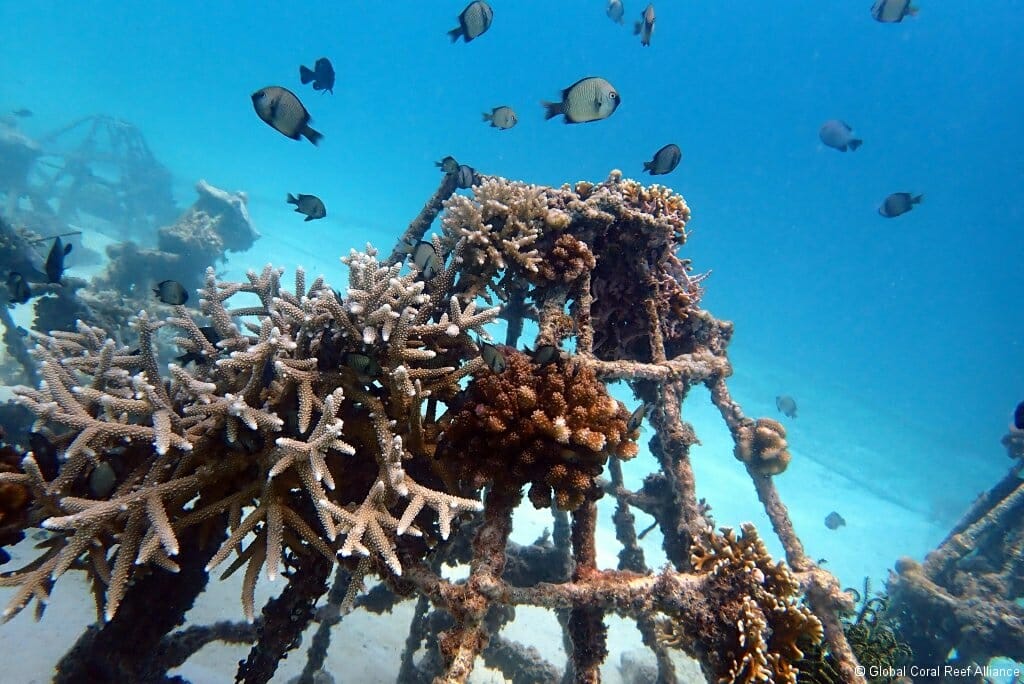
Mineral Accretion Technology, invented by Wolf Hilbertz and Dr. Thomas J. Goreau, is the only marine restoration method known that increases coral growth up to 5x and survival under extreme thermal stress up to 50x.
Accelerated skeleton growth for stony corals, oysters, and calcifying marine organisms.
Exceptional resistance and metabolic survival during severe marine heatwaves.
Electrolytic crystalline rock strengthens with age, resisting severe hurricane surf.
01 / Origins & Scientific Invention
Biorock®, or Mineral Accretion Technology, is an innovative process originally invented in 1976 by the late architect Professor Wolf Hilbertz to produce natural building materials in the sea. Biorock materials are the only marine construction material that grow, get stronger with age, and are completely self-repairing.
Wolf originally called it Mineral Accretion Technology™, Seacrete™, or Seament™. In 1987, biogeochemist Dr. Thomas J. Goreau invited Wolf to Jamaica to develop applications for coral reef restoration. They named the technology Biorock® because it not only grew hard crystalline limestone rock for structural purposes, but also greatly increased the metabolic health and growth rates of corals and all marine organisms.
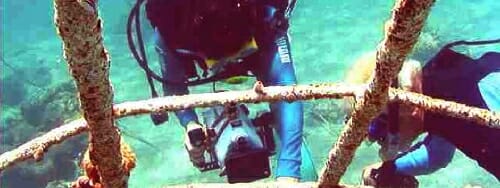
02 / Coral Reef Restoration & Thermal Bleaching Resistance
Biorock technology has been successfully applied to fish and shellfish mariculture, as well as to growing limestone breakwaters to protect islands and coastal communities from sea level rise and erosion. It is a unique method that allows coral reefs and marine ecosystems — including seagrass, salt marshes, mangroves, and oyster reefs — to survive and recover from severe damage caused by excessive nutrients, climate change, and physical destruction.
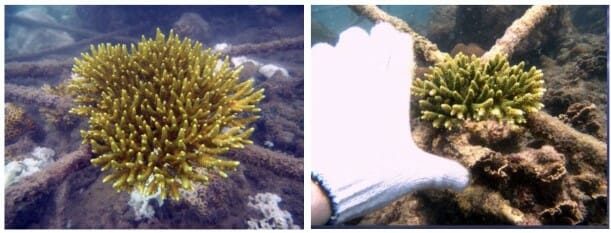
By providing a safe, low-voltage electrical field, Biorock delivers the exact biophysical energy corals need to accelerate calcification, build cellular energy reserves (ATP), and resist severe high-temperature bleaching events.
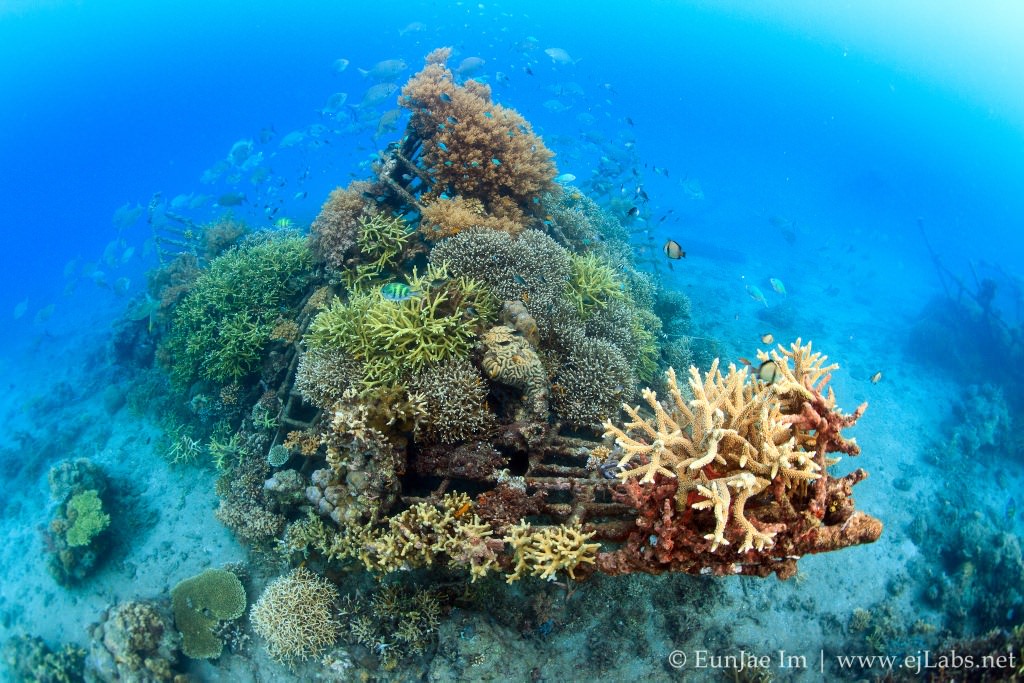
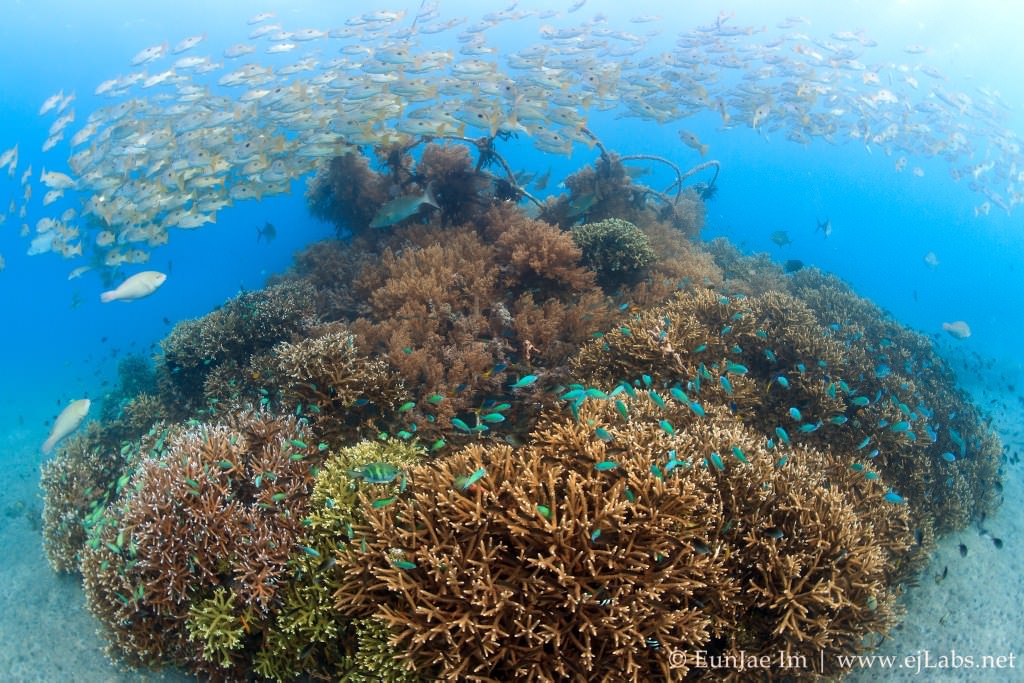
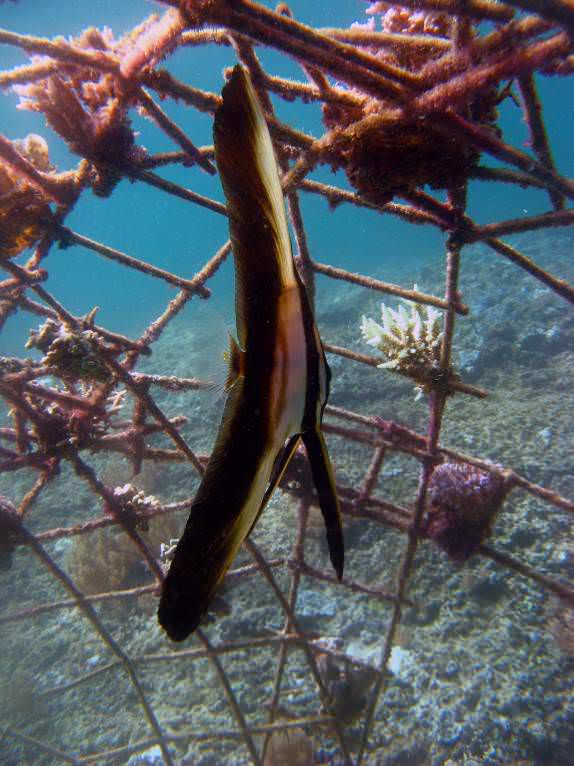
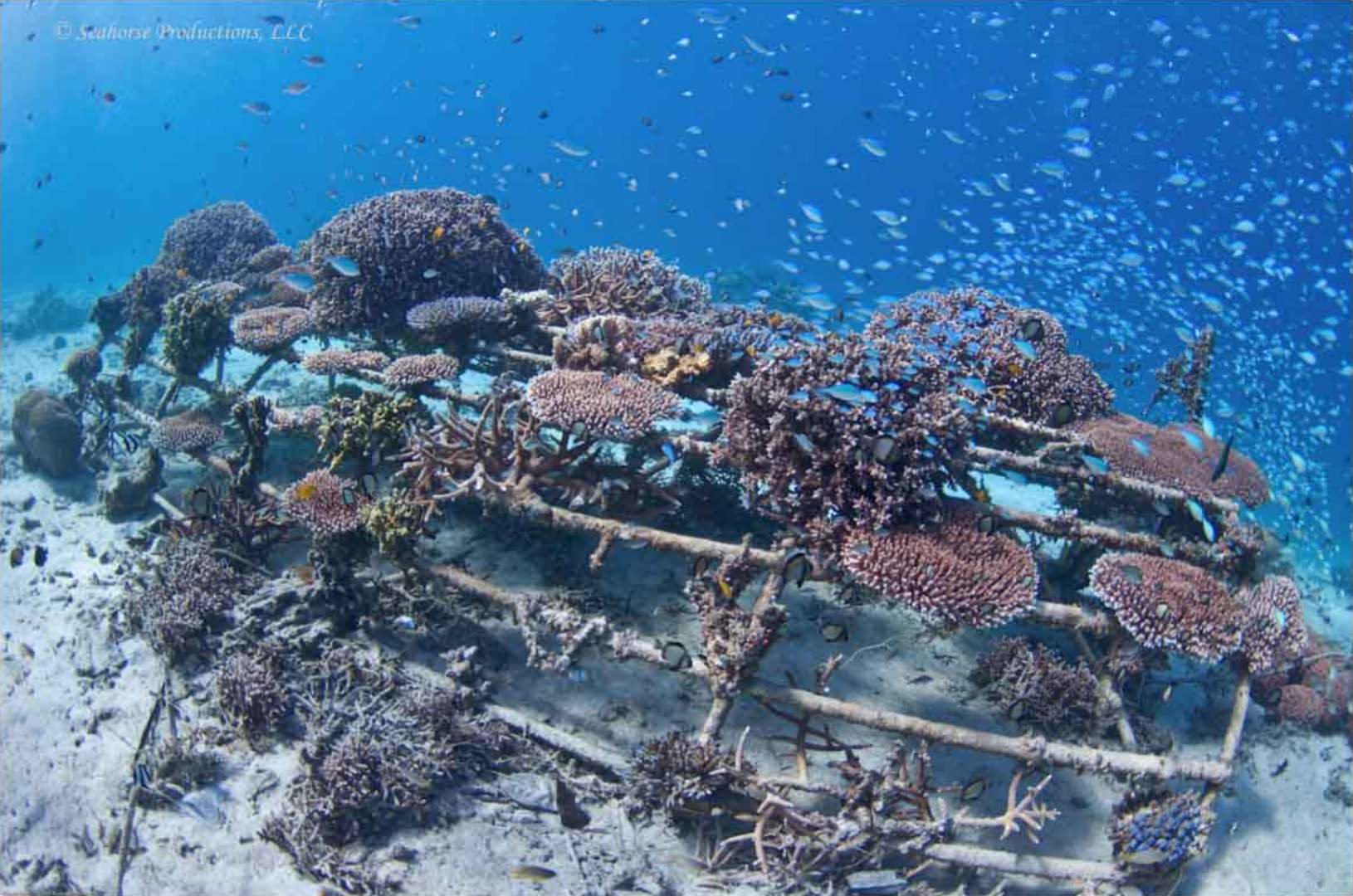
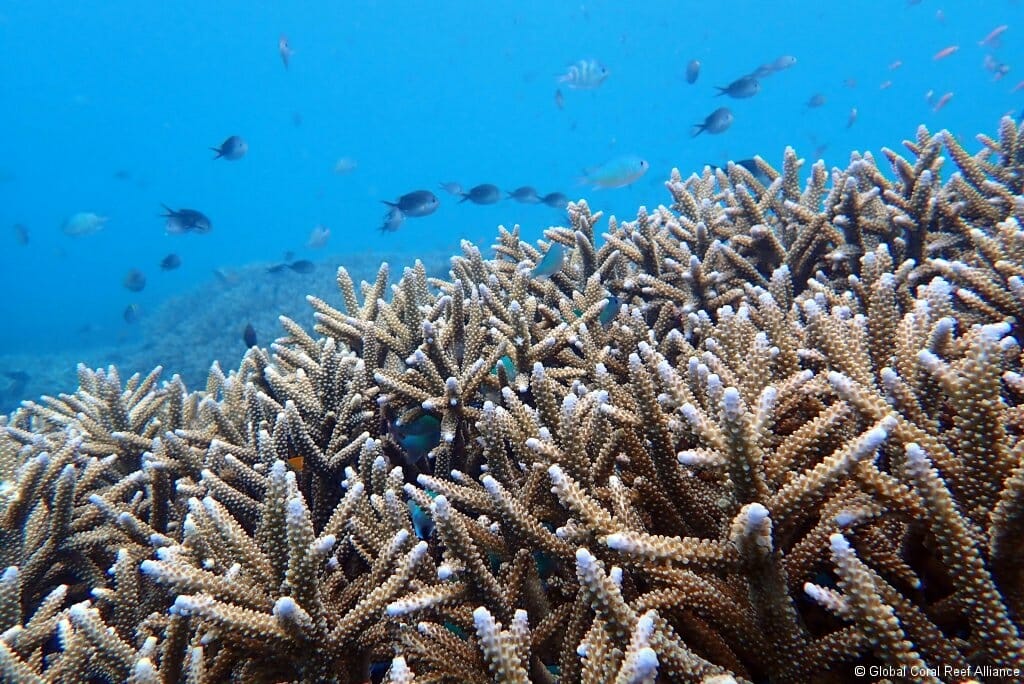
During catastrophic global bleaching events, when over 90% of surrounding natural corals died, 16 to 50 times more corals survived on Biorock structures than on surrounding reefs.
03 / Electrochemical Physics: Aragonite vs. Brucite
When safe low-voltage direct current (DC) is applied to conductive steel frameworks submerged in seawater, electrolysis causes dissolved calcium and magnesium ions to precipitate directly onto the cathode:
Mg²⁺ + 2OH⁻ ⟶ Mg(OH)₂ (Brucite)
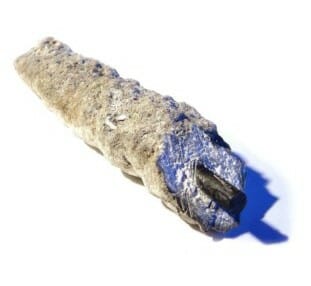
Controlled low-current densities selectively precipitate hard crystalline Aragonite, which has up to three times the compressive strength of ordinary concrete. The growing mineral layer hermetically seals the underlying steel from rust and corrosion indefinitely.
04 / Shore Protection & Natural Beach Growth
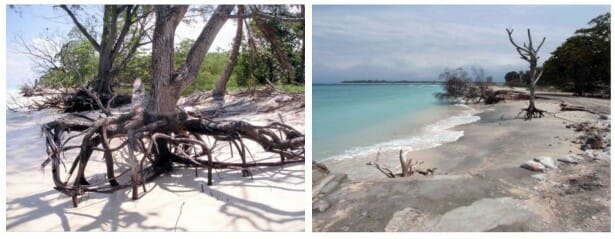
Conventional shore protection structures such as concrete seawalls, rock revetments, and tetrapods are expensive (often costing $10M–$20M per kilometer), reflect wave energy back into the seabed, and accelerate offshore beach scouring. In contrast, Biorock submerged breakwaters dissipate wave energy offshore naturally while stimulating marine life.
05 / Ecosystem Expansion: Oysters, Seagrass & Saltmarshes
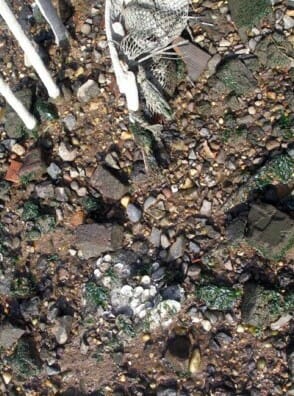
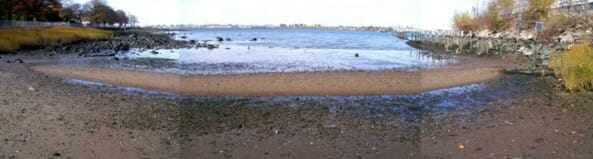
Biorock is not limited to tropical coral reefs. It accelerates growth, settlement, and disease survival across all calcifying and rooted coastal marine habitats:
06 / Fisheries Habitats & Mariculture
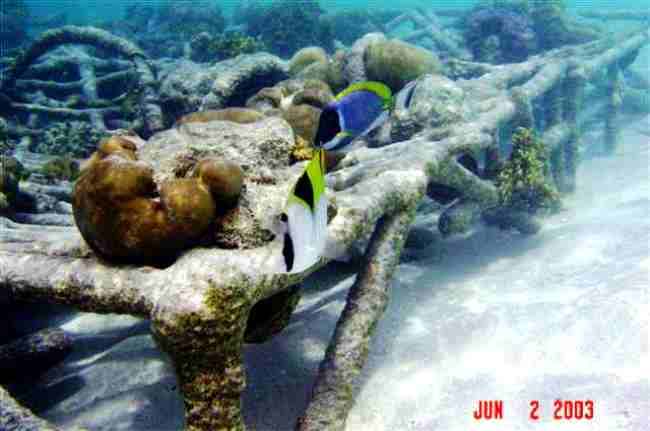
Because Biorock structures provide both structural complexity and energetic benefits to marine organisms, fish and invertebrates settle spontaneously in high densities, creating thriving local mariculture economies and ecotourism reserves.
Empower Coastal Reef Restoration
Contributions directly fund field power supplies, solar panels, and scientific monitoring for community reef projects worldwide.